
Last updated: · Published by WalkingAids.net · How we review products
Independent guides to walking aids for people in the US. Medicare Part B can cover canes, walkers and rollators, so we start there. Then we cover flying, help for veterans and buying your own. Prices are in dollars.
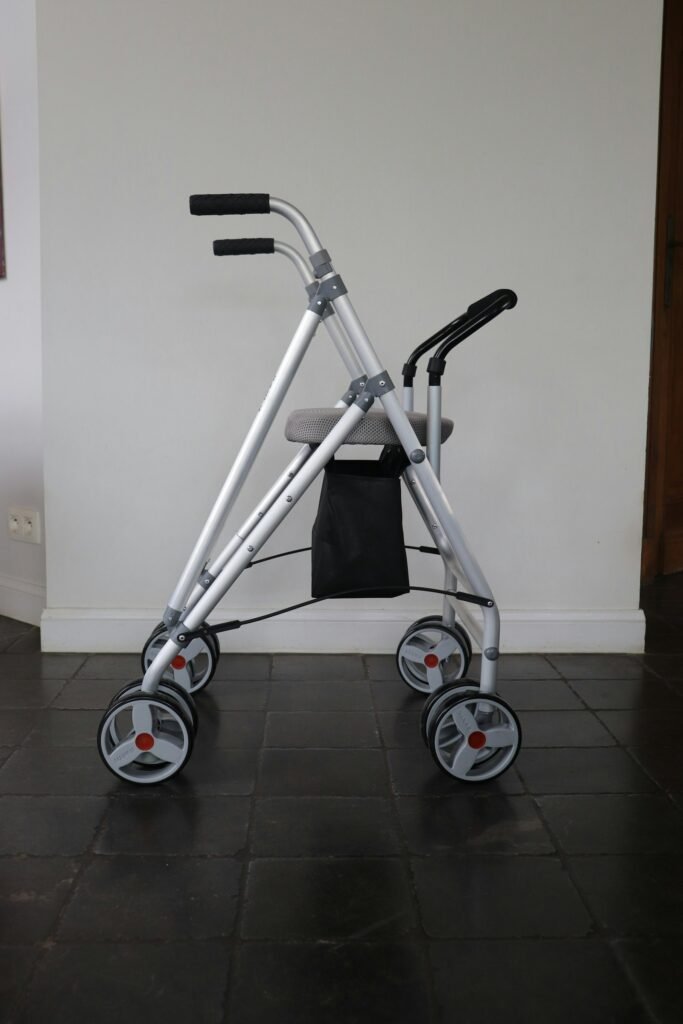
Getting a cane or walker through Medicare, step by step
-
Get an order
Medicare.gov says Part B “covers walkers, including rollators if you’re eligible”, and canes too. Your doctor or other health care provider must order it for use in your home.
-
Use a Medicare-enrolled supplier
Buy or rent from a supplier enrolled in Medicare, and ask whether it accepts assignment before you buy.
-
Know your share
In 2026 you pay the first $283 of Part B costs for the year, then usually 20% of the Medicare-approved amount.
Sources: Medicare.gov: Walkers; Medicare.gov: Canes; Medicare costs 2026. Full details: Does Medicare cover walkers and rollators?.
Medicare and travel at a glance
Sources: Medicare costs 2026; US Department of Transportation, via our flying guide.
Choose a walking aid
Start with the type of aid. Not sure which? Read walking stick, frame or rollator: how they differ.

Canes
Light support on one side, for balance or a painful hip, knee or ankle.

Walkers
Four legs and the most stability, mostly indoors. A standard walker has no wheels.
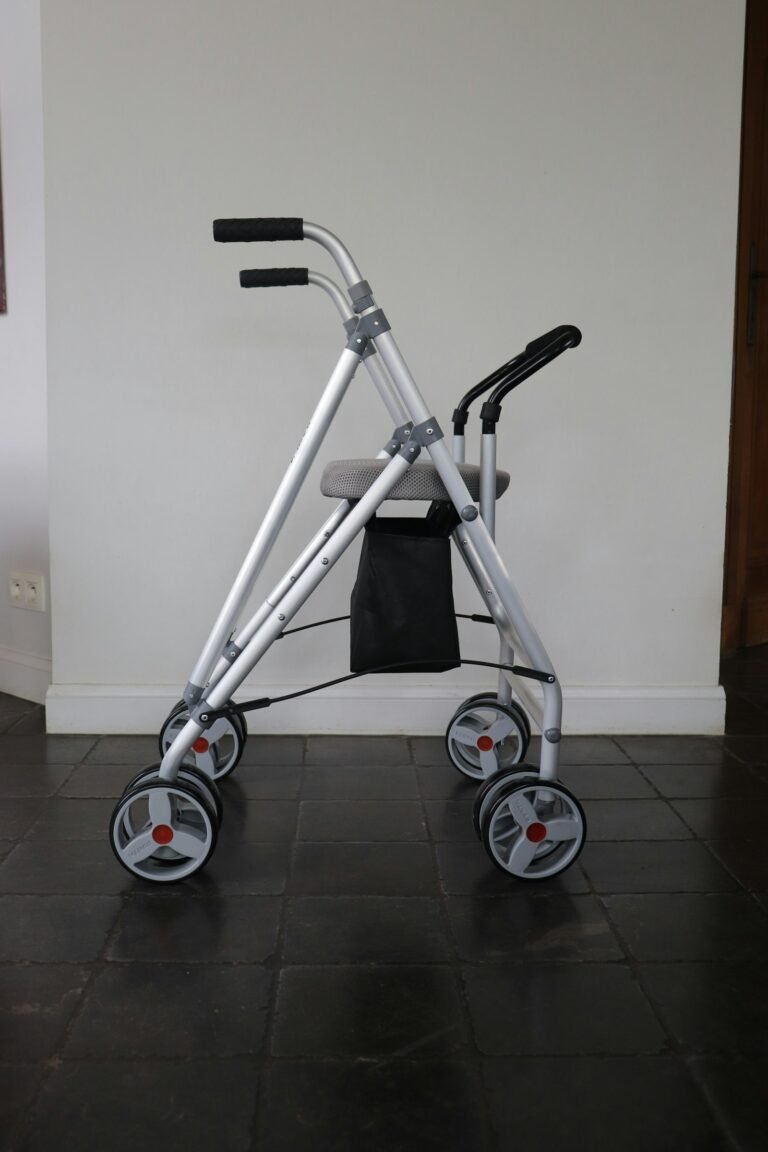
Rollators
A frame on wheels with brakes and usually a seat, for walking further. Also called rollator walkers.

Wheelchairs
For longer distances, or when walking isn’t possible.

Mobility scooters
Powered, for getting out without walking far.
Popular rollator walkers on Amazon
These are current Amazon bestsellers, shown automatically from Amazon UK. They are not our picks and we have not tested them. Amazon shows you the price and delivery for your country. Check the size, weight limit and returns policy before you buy.


Flying with a cane or walker
The US Department of Transportation lists canes and walkers as “permitted within the aircraft cabin”. Small assistive devices “do not count toward an airline’s carry-on item limit”, and if yours goes in the hold you “do not have to pay a checked-bag fee”. See taking a cane, walker or rollator on a US flight.
Help for veterans
Veterans may be able to get a walker through the VA. Our guide explains how: Can veterans get a walker from the VA?
All US guides
- Specification finder: compare walking aids by weight, user limit and handle height
- Your ADA rights with a walker, cane or mobility scooter
- Can you use an HSA or FSA for a walker, cane or rollator?
- Does Medicare cover walkers and rollators?
- Taking a cane, walker or rollator on a US flight
- Can veterans get a walker from the VA?
- Walking stick height check: a printable 4-point guide
- Walking stick, frame or rollator: how they differ
- Using a rollator safely: brakes, seat, kerbs and checks
- Walking aid names by country
Common questions in the US
Does Medicare pay for a rollator?
Medicare.gov says Part B “covers walkers, including rollators if you’re eligible”. Your doctor must order it, and you use a Medicare-enrolled supplier. (Medicare.gov)
How much will I pay?
In 2026 you pay the first $283 of Part B costs for the year, then usually 20% of the Medicare-approved amount.
Can I take my walker on a plane?
Yes. The DOT lists canes and walkers as permitted in the cabin, they don’t count toward your carry-on limit, and there’s no checked-bag fee for them.
What’s the difference between a walker and a rollator?
A standard walker has no wheels, and a two-wheel walker has wheels on the front legs. A rollator has wheels on every leg, hand brakes and usually a seat.